
The Kanchenjunga Base Camp Trek, also referred to as the Kanchenjunga Trek, is one of Nepal’s most remarkable and least-explored trekking experiences. Located in the far eastern region of the country, this trek offers a journey into pristine wilderness, where towering Himalayan peaks, dense forests, glacial rivers, and remote villages come together in a stunning display of natural and cultural beauty. Unlike the well-trodden routes like Everest Base Camp or the Annapurna Circuit, the Kanchenjunga Trek provides solitude, adventure, and an authentic Himalayan experience for trekkers seeking a challenging yet rewarding journey.
Introduction to the Kanchenjunga Base Camp Trek
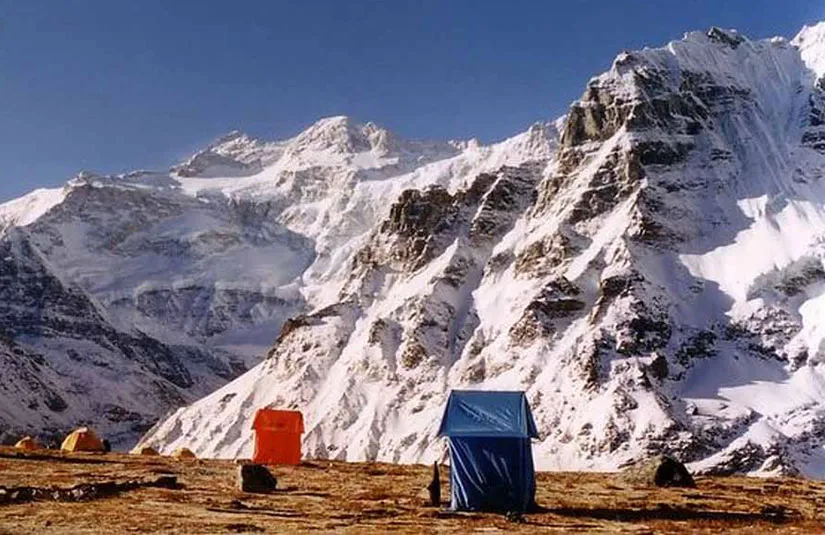
Mount Kanchenjunga, the world’s third-highest peak at 8,586 meters, dominates the eastern Himalayan skyline. The Kanchenjunga Base Camp Trek allows trekkers to approach this majestic mountain from both the north and south sides, exploring high-altitude landscapes, glaciers, and valleys along the way. This trek is not only a test of endurance but also an opportunity to connect deeply with Nepal’s natural and cultural heritage.
The journey typically starts with a flight from Kathmandu to Bhadrapur, followed by a scenic drive to Taplejung or Suketar, which serve as entry points to the trail. From these starting points, trekkers gradually ascend through forests, riverside paths, and terraced hills, passing through villages inhabited by ethnic groups like the Rai, Limbu, and Sherpa. This gradual ascent allows proper acclimatization while providing a mix of natural beauty and cultural immersion.
Spectacular Natural Landscapes
One of the main attractions of the Kanchenjunga Trek is its untouched natural environment. The trail passes through the Kanchenjunga Conservation Area, a protected zone known for its biodiversity and pristine ecosystems. The lower elevations feature lush rhododendron and oak forests, bamboo groves, and cascading waterfalls. As trekkers ascend, the terrain shifts to alpine meadows, rocky ridges, and glacial valleys.
The trek offers breathtaking panoramic views of Kanchenjunga, Jannu (Kumbhakarna), Kabru, and other Himalayan peaks. Trekkers will also encounter high-altitude glaciers, turquoise lakes, and fast-flowing rivers. The visual contrast between verdant forests, rugged cliffs, and snow-covered peaks creates a mesmerizing backdrop, making the Kanchenjunga Trek one of the most scenic trekking experiences in the Himalayas.
The region’s biodiversity is remarkable. Trekkers may spot rare wildlife such as red pandas, snow leopards, Himalayan tahr, and various bird species. Nature enthusiasts and photographers will find countless opportunities to capture the stunning landscapes and wildlife, adding to the uniqueness of this trek.
Cultural Immersion
The Kanchenjunga Base Camp Trek is not just a journey through mountains; it is a cultural exploration. The region is home to diverse ethnic communities who have maintained their traditional way of life for centuries. Trekkers pass through villages like Yamphudin, Chirwa, Kambachen, and Lhonak, where agriculture, livestock rearing, and local crafts dominate daily life.
The spiritual and cultural life in this region is heavily influenced by both Buddhism and Hinduism. Along the trail, trekkers encounter monasteries, prayer flags, chortens, and sacred stones, which reflect the deep-rooted spiritual traditions of the local people. Interacting with villagers provides insights into their customs, festivals, and culinary traditions, enhancing the trekking experience with cultural richness.
Physical Challenges and Preparation
The Kanchenjunga Trek is considered a moderately to highly challenging expedition due to its remote location, long duration, and rugged terrain. Trekkers usually spend 18 to 24 days completing the journey, trekking 6–8 hours daily over steep ascents, rocky trails, and high-altitude passes. The North Base Camp reaches over 5,000 meters, making proper acclimatization essential to prevent altitude sickness.
Physical fitness and preparation are key to a successful trek. Cardiovascular exercises, strength training, and prior trekking experience help improve endurance. Essential gear includes insulated clothing, trekking poles, sturdy boots, and high-altitude equipment. Mental preparedness is equally important, as trekkers need patience and resilience to navigate isolated trails with limited facilities.
Best Seasons for Trekking
The ideal seasons to undertake the Kanchenjunga Trek are spring (March to May) and autumn (September to November). These months offer stable weather, clear skies, and excellent visibility. Spring is particularly striking due to the blooming rhododendron forests that add color to the trails, while autumn offers crisp air and breathtaking mountain panoramas. Winter treks are possible but can be extremely cold, and the monsoon season is generally avoided due to heavy rainfall, landslides, and slippery trails.
Accommodation and Food
Accommodation on the Kanchenjunga Trek is basic but sufficient. Tea houses and lodges provide simple rooms, warm meals, and communal dining spaces. In more remote areas, camping may be required. Food typically consists of local dishes such as dal bhat (rice and lentils), noodles, soups, and occasional Western meals. These meals provide sufficient energy for the demanding trekking days.
Permits and Regulations
The Kanchenjunga region is a restricted area, and special permits are required to enter. Trekkers must obtain a Restricted Area Permit and a Kanchenjunga Conservation Area permit. Hiring a licensed guide is mandatory to ensure safety and compliance with local regulations. These measures protect the fragile ecosystem and cultural heritage of the region while ensuring a safe trekking experience.
Responsible Trekking Practices
Responsible trekking is essential to preserve the Kanchenjunga region’s natural and cultural integrity. Trekkers should minimize waste, avoid single-use plastics, and respect local traditions. Supporting local communities through accommodation, guides, and handicraft purchases promotes sustainable tourism and helps maintain the social and ecological balance of this remote Himalayan area.
Conclusion
The Kanchenjunga Base Camp Trek, also known as the Kanchenjunga Trek, is a journey into one of Nepal’s most remote, untouched, and culturally rich regions. It offers an extraordinary combination of stunning Himalayan landscapes, immersive cultural experiences, and physical challenges, making it perfect for trekkers seeking adventure, solitude, and personal fulfillment.
Completing the Kanchenjunga Trek is more than a physical accomplishment—it is an opportunity to explore pristine wilderness, witness majestic mountain views, and experience centuries-old traditions. For trekkers prepared to embrace its challenges, this trek offers an unparalleled Himalayan adventure, leaving memories of breathtaking peaks, serene valleys, and meaningful human connections that last a lifetime.
The Kanchenjunga Base Camp Trek stands as one of Nepal’s most rewarding trekking experiences, offering a once-in-a-lifetime adventure for those who seek beauty, culture, and solitude in the high Himalayas.