
Introduction
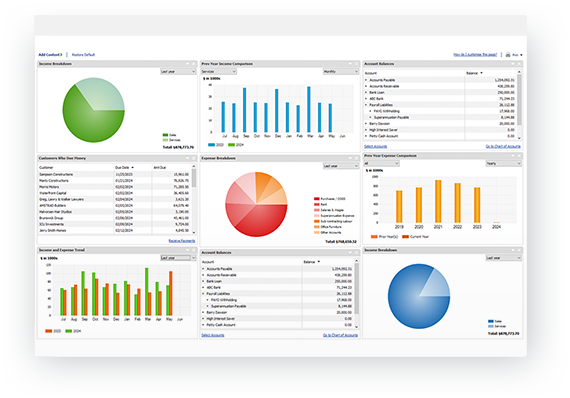
Accounting software can do more than record transactions and organize invoices. When used effectively, it can provide business owners with valuable financial information for understanding performance and making better decisions. Reckon reports can help turn everyday bookkeeping data into useful insights about revenue, expenses, profitability and cash flow.
Rather than waiting until the end of the financial year to review the numbers, businesses can use financial reports regularly to monitor trends and identify potential issues.
Tips to Monitor Business Performance with Reckon
1. Start With the Profit and Loss Report
A profit and loss report provides an overview of a business’s income and expenses over a selected period. It can help owners understand whether the business is generating a profit and where money is being spent.
Reviewing the report monthly or quarterly can reveal changes in revenue, operating costs and profit margins. Comparing current results with previous periods can also highlight positive trends or areas that need attention.
2. Monitor Cash Flow
Profitability does not always mean that a business has enough cash available to cover its immediate commitments. Cash flow reports can help business owners understand money coming into and leaving the business.
Regularly reviewing cash flow can make it easier to anticipate upcoming expenses and identify periods when cash reserves may become tight. This information can support better decisions about spending, purchasing and business growth.
3. Review Accounts Receivable
Outstanding customer invoices can have a direct effect on cash flow. Accounts receivable reports can help businesses identify which customers have unpaid invoices and how long those invoices have been outstanding.
Business owners can use this information to prioritize payment follow-ups and identify customers who regularly pay late. Monitoring receivables consistently can help reduce the time between invoicing and receiving payment.
4. Keep an Eye on Expenses
Expense reports can show where business funds are being allocated. Reviewing spending by category can help owners identify increases that may require investigation.
For example, rising software subscriptions, supplier costs, advertising expenses or office costs may affect profitability if they are not monitored. Regular reporting allows businesses to identify these trends before they become significant financial problems.
5. Compare Actual Results with Expectations
Reports become more useful when businesses compare actual performance with budgets, forecasts or previous periods. This can show whether the business is performing as expected.
If revenue is below expectations or expenses are higher than planned, management can investigate the reasons and consider appropriate changes. Similarly, stronger-than-expected results may indicate opportunities for further investment or expansion.
6. Monitor Key Business Trends
Financial reports should not be viewed in isolation. Business owners can look for patterns across several reporting periods. Useful trends to monitor may include:
Revenue growth:
Is income increasing, decreasing or remaining stable?
Profit margins:
Is the business retaining an appropriate proportion of its revenue?
Operating expenses:
Are costs growing faster than sales?
Outstanding invoices:
Are customers paying within agreed terms?
Cash position:
Does the business have enough cash to meet upcoming commitments?
Conclusion
Regular reconciliations, accurate transaction coding and up-to-date records are therefore essential. Businesses may also benefit from reviewing reports with a professional bookkeeper who can help explain trends and identify areas requiring attention.
Ultimately, reckon reports can give business owners greater visibility into financial performance. By reviewing profitability, cash flow, receivables, expenses and trends regularly, businesses can move beyond simply recording transactions and use their financial information to support smarter, more informed decisions.