

Lehenga dress and wedding dresses hold a timeless charm that blends tradition with modern aesthetics. These attire selections are not just garments; they symbolize cultural heritage, personal style, and the celebration of one of life’s most memorable occasions. Exploring the variety, designs, and trends in lehenga dress and wedding dresses allows brides and fashion enthusiasts to understand the nuances of elegance, craftsmanship, and individuality in wedding attire. This article delves into the different types, fabrics, styling tips, and essential considerations for anyone seeking the perfect outfit for their special day.
Traditional Appeal of Lehenga Dress
The lehenga dress has long been a staple in South Asian weddings, offering a combination of grace, comfort, and intricate detailing. Traditionally, lehengas consist of a skirt, blouse, and dupatta, each contributing to a complete and harmonious look. These dresses are often embellished with embroidery, beadwork, sequins, or mirror work, making them a centerpiece in wedding celebrations. Brides and guests alike appreciate lehenga dress for its versatility in design, allowing vibrant colors, rich fabrics, and unique patterns to take center stage.
Types of Wedding Dresses
Wedding dresses offer a wide range of silhouettes and designs, catering to diverse preferences. From classic ball gowns to elegant A-line dresses, each style accentuates the wearer’s personality and body shape.
- Ball gown dresses with voluminous skirts are perfect for a grand, fairy-tale effect.
- A-line wedding dresses provide a balanced silhouette suitable for most body types.
- Mermaid or trumpet styles offer a modern, figure-hugging design for contemporary brides.
Wedding dresses can also be customized with lace detailing, satin finishes, or delicate beadwork, making each piece a unique statement of elegance.
Fabrics and Craftsmanship
Both lehenga dress and wedding dresses benefit from luxurious fabrics and meticulous craftsmanship. Traditional lehengas often use silk, georgette, or velvet, paired with hand-embellished embroidery and zari work. Similarly, wedding dresses incorporate fabrics like tulle, chiffon, satin, and organza to create flowing silhouettes and delicate textures. Choosing the right fabric not only enhances comfort but also ensures that the attire reflects sophistication and durability, especially for events that span multiple ceremonies and celebrations.
Styling Tips for Lehenga Dress
Styling a lehenga dress requires attention to details such as jewelry, footwear, and draping. Coordinating accessories can elevate the overall look, adding elegance without overwhelming the outfit. Popular styling options include:
- Statement earrings or necklaces that complement embroidery details.
- Matching or contrasting dupattas to add depth and color variation.
- Traditional footwear like juttis or heels that maintain balance and poise.
Accessories and hairstyle play a crucial role in enhancing the appeal of a lehenga dress, allowing the wearer to project confidence and grace throughout wedding festivities.
Modern Trends in Wedding Dresses
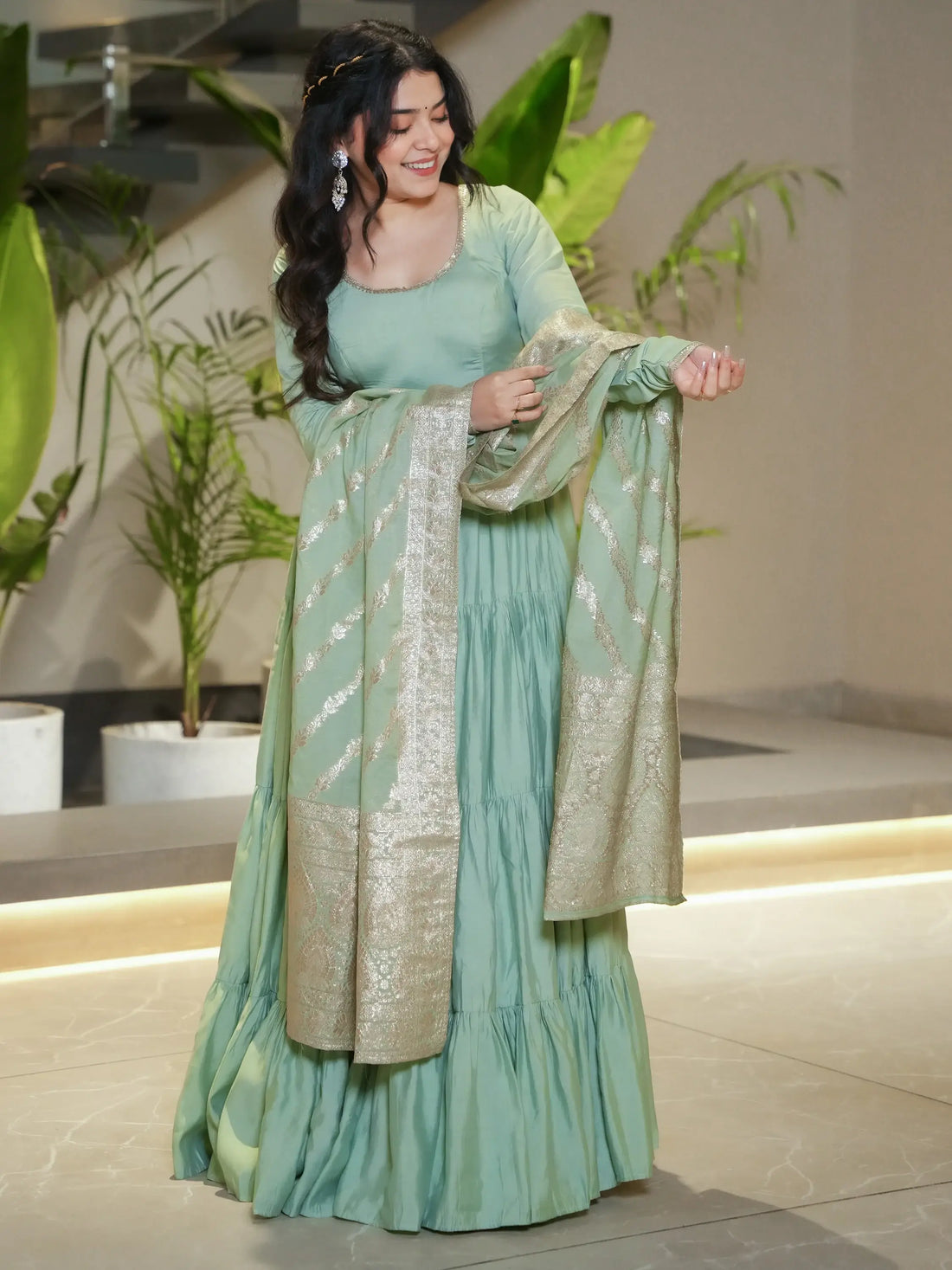
Modern wedding dresses often merge classic elegance with contemporary flair. Designers experiment with minimalistic silhouettes, innovative cuts, and subtle embellishments to create gowns that feel both timeless and fresh. Key trends in wedding dresses include off-shoulder designs, illusion necklines, layered skirts, and detachable trains, offering brides the flexibility to express individuality while adhering to traditional ceremonial aesthetics.
Color Palettes and Personalization
Color choices in lehenga dress and wedding dresses have evolved beyond traditional shades. While reds, maroons, and golds remain iconic, pastel hues, metallic tones, and neutral shades are increasingly popular. Personalization options include:
- Custom embroidery reflecting family motifs or initials.
- Mix-and-match elements for lehengas, such as contrasting skirts and blouses.
- Incorporating unique fabrics or unconventional cuts in wedding dresses for a modern twist.
These adaptations ensure that each bride’s ensemble reflects her personal taste, cultural significance, and the latest fashion trends.
Choosing the Perfect Fit
Selecting the perfect lehenga dress or wedding dress requires careful consideration of body type, event theme, and comfort. Tailoring plays a vital role, as a well-fitted outfit enhances elegance and allows ease of movement. Brides are encouraged to plan fittings in advance, test different silhouettes, and seek advice from experienced designers to achieve a flawless final look.
Conclusion
Lehenga dress and wedding dresses remain integral to wedding celebrations, offering a harmonious blend of tradition, style, and individuality. From luxurious fabrics and intricate embroidery to modern cuts and personalized touches, these attires capture the essence of elegance and festivity. Understanding the variety, styling techniques, and current trends helps brides make informed decisions, ensuring they look radiant and confident on one of the most significant days of their lives. With thoughtful choices, every bride can find a lehenga dress or wedding dress that resonates with her personality while honoring cultural heritage.