
7- The Hidden Dangers of Jump Starting Even for Shop Techs
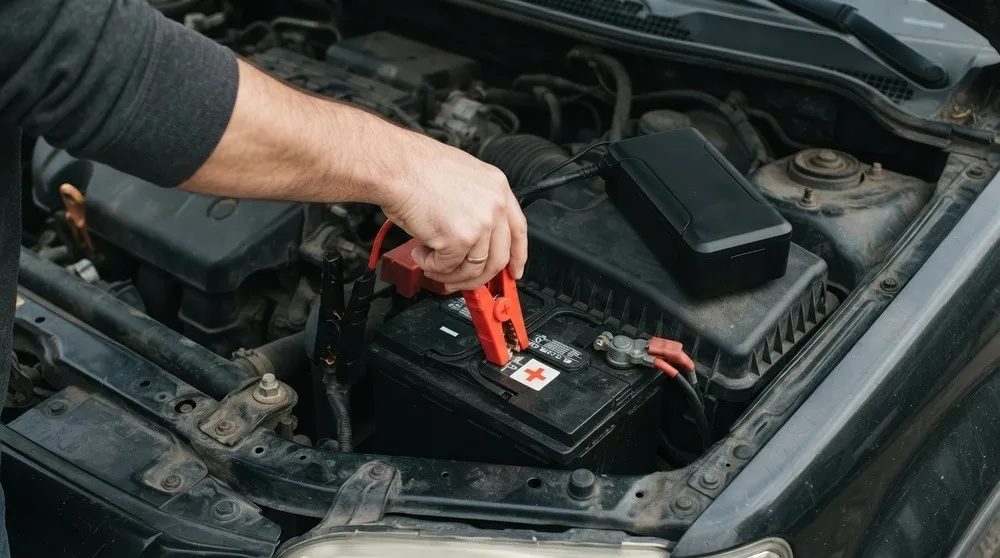
Jump-starting is a pretty common procedure observed in auto service bays. Fleet and auction yards see their fair share of jump starts as well. Because it is so routine, technicians might treat it as a risk-free operation. Yet connecting high-current power sources to depleted or damaged batteries is genuinely risky.
The biggest hazards are electrical arcs, electronic component damage, chemical burns, and battery explosions. Shop owners, fleet managers, and technicians obviously want nothing to do with them. But being safe is not a matter of good luck. It is a matter of doing things properly.
Hydrogen Gas Is an Explosion Hazard
Perhaps the biggest risk of jump-starting is explosive hydrogen gas. For starters, hydrogen gas is a natural byproduct of electrolysis. Whenever a lead-acid battery charges or discharges, it produces hydrogen. Vents are built into batteries to allow the gas to escape. Therein lies the problem.
Connecting a portable jump starter or a rescue vehicle to a car’s battery can create sparks. If those sparks are close enough to the venting system, any hydrogen gas escaping at the same time could ignite. A technician could be showered with sulfuric acid and hot shrapnel should the battery explode.
Electrical Spikes and Reverse Polarity
Modern vehicles depend heavily on dozens of interconnected electronic control units (ECUs). They also come equipped with plenty of delicate sensors and sensitive digital displays. Rapid voltage fluctuations during a jump start threaten such components. Consider the following:
-
Reverse Polarity – Reverse polarity occurs when a technician inadvertently swaps positive and negative cables during the connection sequence. Even a split second of reverse polarity can blow fuses, destroy alternator diodes, and fry expensive engine management components.
-
Transient Voltage – Transient voltage, sometimes referred to as a load dump, can occur when disconnecting jumper cables even while the alternator is charging at full output. Transient voltage travels through the vehicle’s electrical bus, where it can potentially wipe out delicate microprocessors.
Clore Automotive, makers of the Jump-N-Carry line of portable jump-starters, explains that reverse polarity and transient voltage issues are less likely when using a portable jump starter. Most commercial-grade jump starters include built-in safety mechanisms that prevent serious damage.
Physical Equipment Hazards
There are also hazards related to physical equipment. It is worth noting that not all jump-starting equipment is created equal. Using underrated or damaged cables, for instance, creates significant thermal and electrical safety risks.
-
Undersized Cables – Attempting to turn over a heavy gas or diesel engine using lightweight consumer cables could lead to rapid thermal buildup in the wiring. Insulation can melt, and bare wire can create a short circuit that starts a fire.
-
Damaged Clamps – Damaged or weakened clamps can fail to establish a solid connection. When this happens, resistance can create localized heat and cause thermal melting. Dangerous arcing can also occur.
The best way to eliminate these risks is to always use heavy-gauge, fully insulated copper cables rated for commercial duty. Technicians should always inspect cables before every job. They should never use cables demonstrating frayed wiring, cracked insulation, or loose jaw springs.
Ensuring Tech Safety in the Service Bay
For the shop owner or fleet manager, it is all about protecting technicians in the service bay. Safety requires combining proper equipment selection with consistent adherence to safety protocols. Clore Automotive recommends:
-
Strictly enforcing PPE standards
-
Verifying battery integrity before jumping
-
Always using commercial-grade gear
Recognizing the inherent risks that come with jump-starting dead vehicles is a no-brainer. By treating every job with the respect high-energy systems deserve, shops and fleet maintenance centers can maintain rapid service turnarounds without sacrificing safety.