
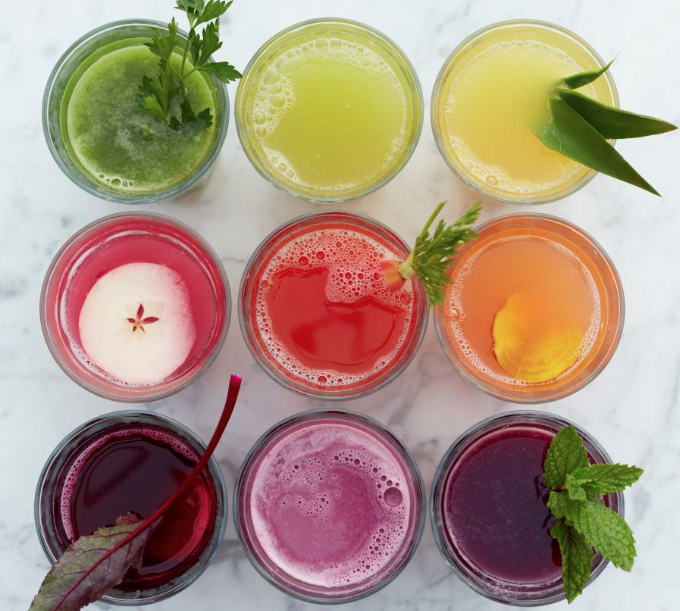
Finding the right food coloring for drinks is honestly a massive pain in the neck for most beverage makers. You cannot just throw anything into a liquid because it often separates or settles at the bottom of the bottle. It is a total mess to deal with. You need stuff that stays mixed, looks bright, and does not taste like literal chemical waste in your final product.
Using Black Carrot Color
Have you tried using Black Carrot color lately? It is actually super versatile for getting those deep purple or red tones in your fruit juices. People love it because it sounds very natural on a label. Just be careful with your pH levels during the blending stage because it can shift colors on you if your drink is too acidic for the pigment to hold.
Stability In Your Bottling
Bottles sit on shelves for months, which is a disaster for unstable dyes. If your food coloring for drinks isn’t light-stable, your product will turn gray or fade really quickly. Nobody is going to buy a brown-looking strawberry drink. You really have to do stress tests with UV lights to see how the color holds up before you even think about starting a full production run.
Why Carrot Is Great
The Black Carrot color is famous for being pretty resilient compared to other plant-based extracts. It gives you a really deep pigment that works perfectly for sodas or functional energy shots. I think it is one of the smartest choices for anyone trying to clean up their label while still keeping that fun, punchy visual appeal that catches a customer’s eye from across the grocery aisle.
Testing Your pH Balance
Everything in your liquid base matters when you are working with these natural extracts. A slight shift in acidity can completely change how your food coloring for drinks presents in the glass. You need to keep a tight record of your pH values during every single test batch you run. If you don’t keep track, you will absolutely lose your mind trying to fix the color issues later.
Making Better Labels Now
Clean labels are pretty much mandatory now if you want to compete with the big brands. Using Black Carrot color tells your buyers that you care about what goes inside the bottle. It is a simple swap that adds huge value to your marketing strategy without costing you a fortune. Most customers these days are smart enough to look for these natural ingredients on the packaging.
Scaling Your Production Line
Mixing pigments into massive tanks of water is a whole different beast than doing it in a kitchen. You need serious agitation equipment to ensure that the food coloring for drinks is distributed evenly through every single liter. If your mixing is weak, you will get inconsistent shades across your product line. That looks bad to customers who buy your stuff regularly and expect the same product.
Handling Heat During Process
Some beverage makers use heat to pasteurize their drinks, which destroys a lot of natural colors. You need to be aware of how much heat your Black Carrot color can handle before it starts to brown out. It is better to pasteurize at lower temperatures for longer if you have the equipment to handle it. Take your time to figure out the thermal limits during your early pilot trials.
Conclusion
The beverage industry is shifting rapidly toward cleaner, more transparent labeling, which is a great thing for everyone involved in production. You can find more technical help over at foodrgb.com to guide your formulation choices effectively. If you keep your brand fresh and appealing to today’s consumers, using high quality food colouring for drinks is a must. Adding a little black carotene to your process can be a logical approach to achieving greater visual stability of your products. When you’re ready to begin your next large beverage endeavor, please get in touch with their help team to discuss your needs.